The Commission.
📅 March 1, 2026
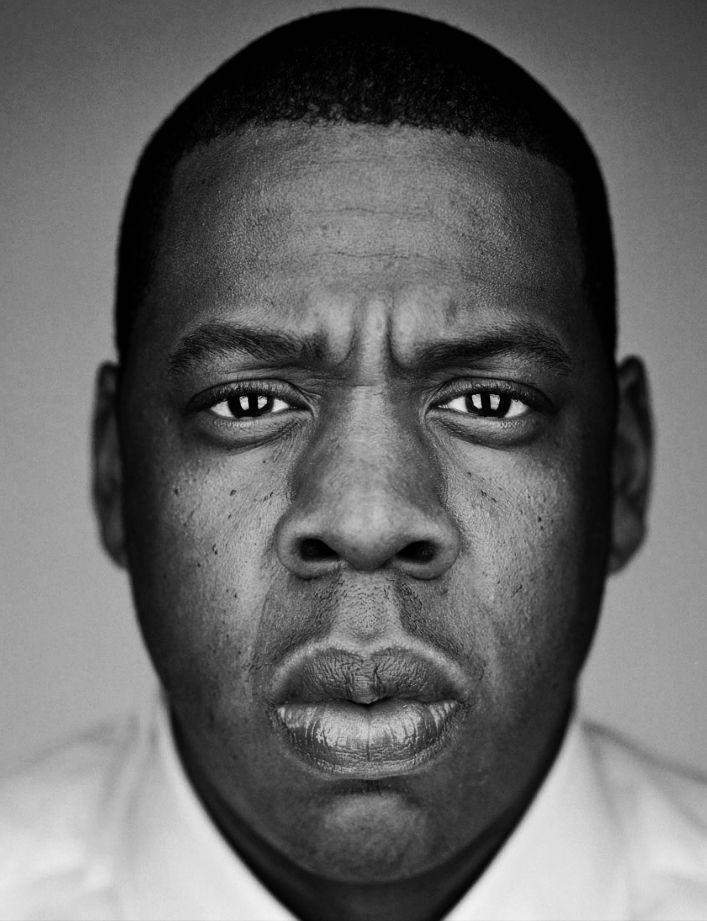
Now, it’s all experimental, melodic, pop-oriented hip-hop. In the eighties through the nineties, it was (that subgenre of hip-hop called) gangsta rap.
Like the name implies, gangsta rap was... gangsta. Cocaine was no longer exclusively the rich man’s drug. A cheaper, smokable form of it, crack, had been discovered and introduced on a massive scale. Worse, the price made it easily obtainable, and much worse, its high was addictive, driving up demand. Sellers became rich, hustlers became millionaires.
Drugs breed dollars, dollars breed greed, and in a business with zero rules, greed seldom came without guns and bodies.
The Mob was on the rise. The Reagan era had injected new life into capitalism. Right here were the most prominent aspects of gangsta rap: getting it; the dangers, violence, thrill and street smarts while at it. The lavish self-indulgence associated with it. Songs and whole albums sprung out of it, referencing, glorifying divisive, often dangerous figures. The hip-hop duo, Capone-N-Noreaga (whom we now know as N.O.R.E of Drink Champs) got their respective names from Al Capone and Manuel Noriega, the Panamanian dictator imprisoned for drug trafficking, racketeering and money laundering. The rapper Scarface took his name from the 1983 movie of the same name. Nas frequently referred to himself as Nas Escobar. The East Coast-based group, The Firm, made up of Nas, Cormega, AZ and Foxy Brown, likely got the name from the East End identical twin gangsters in London, Ronnie and Reggie Kray. The Murder Inc label and hip hop supergroup (consisting of JAY Z, DMX and Ja Rule) got its name from the extremely deadly arm of the National Crime Syndicate, responsible for roughly 1,000 murders. And their founder, Irv Gotti (responsible for signing stars like Ashanti, Lloyd and Ja Rule) was himself named after one of the most influential and smartly dressed, but sufficiently violent members of the mafia, John Gotti.
But for the passing of Biggie Smalls, a hip hop supergroup – The Commission (consisting of himself, JAY Z, Diddy, Un, Charli Baltimore and Lil’ Cease) – would have been formed. And it would have been big.
But what was The Commission? Like The Firm, Murder, Inc, The Outfit and the rest, where, who and what invents inspired that name?
I have the answers.
Welcome to my website, folks. I am Jago, and I write about things and people you never knew about crime, leaders and peoples you never heard about Africa, and a whole lot of little shit my mind doesn’t stop coming up with.
_____
In 1902, a young boy from Sicily arrived the United States. He would grow up to be the leader of the largest Italian gang in East Harlem. His name was Joe Masseria. People called him “the Chinese” because of his short, round physique and slanted eyes. He called himself “Joe the Boss”.
Two things made “Joe the Boss” stand out. One, his ability to dodge bullets and escape death. Countless attempts had been made on his life. (In fact, a particular one had been so close that the bullets meant for his forehead had missed and gone through his straw hat instead.)
Two, an eye for identifying talent. Lucky Luciano, Frank Costello, Tommy Lucchese, three of the very best in the business, would become his ‘soldiers’.
In that same decade, the mid (19)20s to be precise, then came another guy, Maranzano. Back in Sicily, Maranzano had established himself a seasoned warrior and a defender of tradition. Mussolini’s crackdown on the Mafia back in Italy had driven people like him out, but he had fled to America with the one, strong vision to continue from where he had stopped.
Like I’ve said, dollars breed greed, and it was unavoidable that there was soon going to be a war. And here was the issue. Masseria.
A man given to excesses of every description, Masseria always wanted more: food, women, worship, money. It was this ego, this greed that drove him to demand a $10,000 ($172,000 in today’s money) tribute recognizing his assumed position as the “Boss” of all New York mafiosi.
Maranzano fancied himself literate. He claimed to know Latin and Greek. He was in his 40s. He was resourceful and brutal in equal measure, and he had his own soldiers. No, he could not submit to a young, proud bloody village idiot like Masseria. And so, the war began.
Bodies atop bodies, bullets on bullets on bullets, death and blood. Shit was getting out of hand. All of this was needless, and several people, Lucky Luciano in particular, saw it for what it was: Nonsense. War wasn’t only not good for business. It was also courted unwanted attention that risked people like himself getting arrested and put away for life. In addition to his frustrations, Masseria was also unambitious and distrustful, never doing business with anyone not from Sicily. A year and the half of a war with no foreseeable ending, the man Luciano did what all smart businessmen do: continue with business. He met with Joe Bonanno, Maranzano’s wartime chief of staff and offered to eliminate Masseria and take over his gang, in exchange for being recognized as equals with Maranzano.
The deal was sealed.
On 15, April 1931, whilst eating at one of his favorite restaurants, Masseria met his violent end at the hands of four gunmen.
These were bullets he couldn’t miss, fired by men determined not to miss.
____
In his book, Beyond Good and Evil: Prelude to a Philosophy of the Future, Friedrich Nietzsche famously declared, He who fights with monsters should see to it that he himself does not become a monster. And if you gaze long into an abyss, the abyss will gaze into you.
Yes, Maranzano had won the war. Yes, business had gone back to normal. Yes, people had begun to revere him and defer to him. But, perhaps, he had gazed too long into the abyss.
He called a meeting, summoning bosses from all over the country and laid out his plans.
From now on, he said, he was to be referred to as the Capo di tutti capi, the boss of all bosses. His orders were to be obeyed, unquestioned, and the death penalty was to be administered if they weren’t. Then he proceeded with decrees, modeling the organization after the Roman empire and the man he so admired, Julius Caesar. On the surface, he had appeared to be more cosmopolitan, embracing change and equality. In essence, he was even greedier and more unprogressive than Masseria. It sure didn’t take long before his assassination was being planned.
On September 10, 1931, a mere five months after the murder of the man he’d taken over from, he met his end. It was a smooth operation.
Four men in dark suits walked into his office, announcing themselves as the tax auditors he’d been expecting. None of Maranzano’s bodyguards were armed because they’d been ordered not to so as not to get arrested for gun violations. With the guards all facing the wall and guns pointed to their backs by these ‘tax auditors’, Maranzano was identified and taken to an inner room, stabbed multiple times and shot dead.
Lucky Luciano had planned all of this.
“A school dropout at fourteen,” says the crime author, Selwyn Raab in his book, Five Families: The Rise, Decline and Resurgence of America’s Most Powerful Mafia Families, “within a decade he [Luciano] had compiled an arrest record for armed robbery, gun possession, assault, grand larceny, gambling. Remarkably, most of the charges were dropped… a prison psychiatrist aptly analyzed him as highly intelligent but ‘an aggressive, egocentric, antisocial type’”
True, no one would have said jack shit had Lucky assumed the capo di tutti capi title, but he wisely decided from doing that. Like the two now dead fools, it would have made him a target, and for Lucky, dying early wasn’t something he planned on doing.
This is where the Commission came in, and why he is regarded as the father of modern organized crime.
‘Families’ would always have disputes, he reasoned. Sometimes over territory, sometimes over disrespect or whatever might be. The Commission wouldn’t be one person, but a body, establishing policy, outlining regulations, defining turfs, settling disputes, making decisions backed by majority votes from each of the bosses of the New York five families, Al Capone’s in Chicago, and Stefanno Magaddino’s in Buffalo.
I listened to JAY Z’s Reasonable Doubt for the first time in 2018 which, in turn, had me listening to Biggie’s Life After Death album. Listening to arguably two of the top four greatest rappers of all time, I suppose it all made sense why they’d decided to name their collective after the greatest, most genius gathering of gangstas ever.